Upgrade Your Homes Comfort: Professional Insulation Services From Certified Contractors
In today's energy-conscious environment, adequate insulation plays a vital role in keeping homes comfortable and efficient. Many homeowners overlook the significant impact of insulation on both energy bills and indoor air quality. Reputable contractors deliver skilled services that pinpoint and correct insulation deficiencies. Understanding these services can reveal how even minor adjustments can lead to substantial improvements. Yet, the question remains: how do you choose the right solutions for your specific needs?
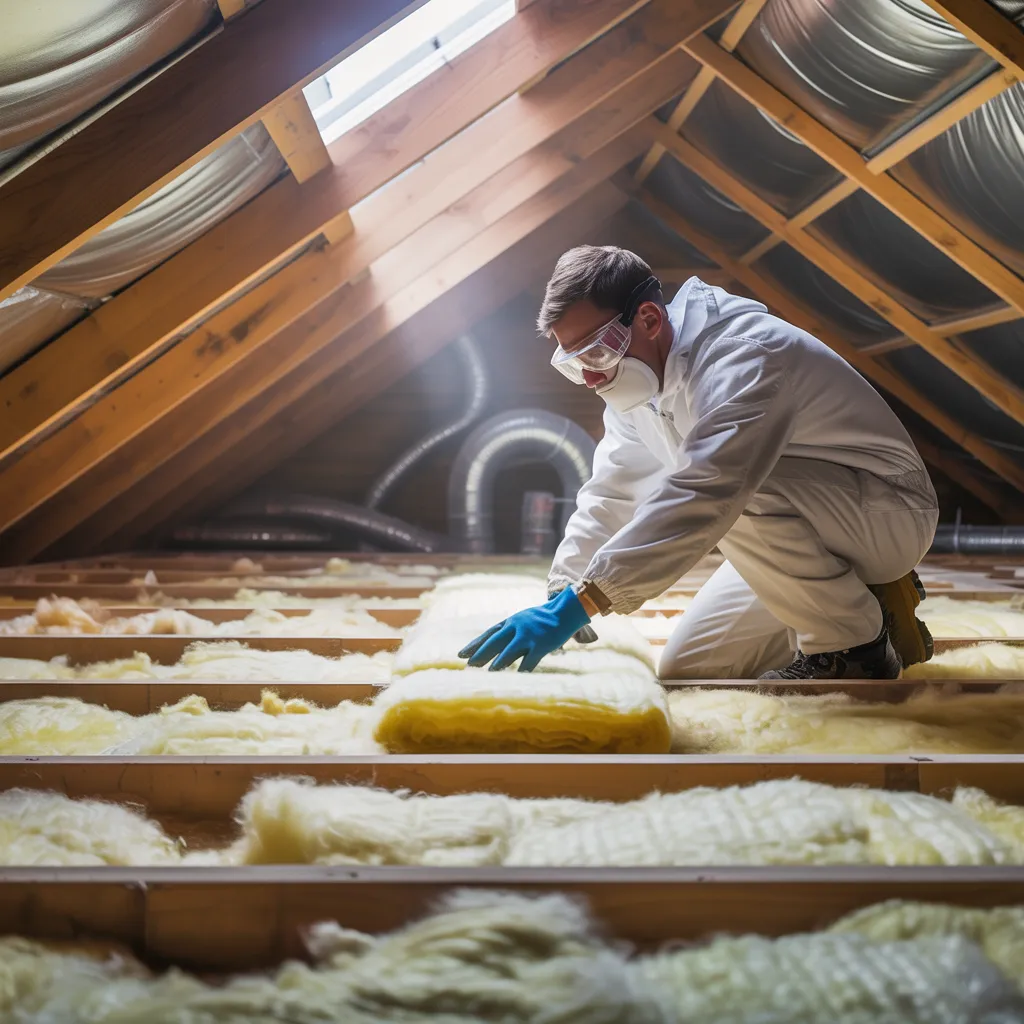
Why Poor Insulation Costs You Money and Comfort
Poor insulation can greatly impact both energy expenses and indoor comfort. When insulation fails to meet standards, heat loss in winter and heat gain in summer become pronounced, forcing heating and cooling systems to work overtime. This inefficiency translates directly to higher utility bills, as homeowners face inflated energy costs due to increased demand on HVAC systems.
Moreover, inadequate insulation can result in unpleasant living conditions, with temperature swings and drafts making spaces less enjoyable. Excess moisture may also occur, fostering the growth of mold and mildew, which can further compromise air quality within the home.
Investing in proper insulation not only mitigates these issues but also enhances the overall value of your home. A well-insulated home supports energy efficiency and comfort, permitting homeowners to fully appreciate their home while cutting down on unneeded expenditures. Consequently, tackling insulation inadequacies is key to securing financial savings and improved living conditions.
Are There Drafts in Your Home? How to Find Out?
Figuring out if a home is drafty can be achieved by observing common symptoms and analyzing energy bills. Apparent cold patches and shifting indoor temperatures frequently suggest the presence of air leaks. In addition, unusually high energy costs might suggest that substandard insulation is causing heat to leak out.
Common Draft Symptoms
A large number of homeowners tend to miss the subtle signs of drafts throughout their living areas, which can lead to rising energy expenses and unpleasant conditions. Common symptoms include significant temperature variations, where certain rooms feel considerably colder than others. Occupants can also detect drafts around doors, windows, and power outlets, commonly experienced as a cold feeling on exposed skin. Furthermore, persistent condensation on windows can signal insufficient insulation, enabling frigid air to infiltrate living spaces. related content Hissing or rattling sounds on blustery days may also point to air infiltration. To conclude, if light curtains or fabrics sway in the absence of a breeze, this is a strong indicator that outside air is entering the space. Recognizing these symptoms is the first step toward achieving a more comfortable living environment.
Energy Bill Metrics
Higher energy expenses frequently act as a clear indicator of drafty conditions within a home. Homeowners may notice a notable spike in their monthly bills, suggesting that climate control systems are running more frequently to sustain a comfortable climate. A poorly sealed home can lead to inconsistent temperatures throughout the home, prompting occupants to adjust temperature controls higher. To pinpoint problem areas, homeowners can perform basic checks, such as feeling for cold air seeping through windows and doors or employing a candle flame to reveal air movement. Furthermore, inspecting insulation levels in attics and walls can reveal hidden gaps. Resolving these concerns with qualified insulation specialists can contribute to enhanced energy conservation, producing reduced bills and improved comfort.
Main Advantages of Professional Insulation Installation
Maximizing the complete advantages of a home's thermal performance often is determined by professional insulation installation. Skilled technicians verify that insulating products are properly fitted, substantially decreasing heat loss in winter and minimizing heat gain in summer. This accuracy leads to a more stable indoor temperature, elevating comfort all year long.
Moreover, expert installation can lead to reduced energy costs, as homes decrease their use of HVAC systems. This not only encourages financial savings but also decreases the total carbon footprint, benefiting the environment.
Moreover, experienced technicians are well-versed about the latest insulation technologies and materials, making sure that homeowners are provided with the optimal solutions customized for their specific needs. They also observe established safety protocols and building requirements, which is vital for long-term performance and compliance. At the end of the day, the key perks of skilled insulation work encompass energy efficiency, enhanced comfort, and peace of mind for homeowners.
How to Pick a Reputable Insulation Contractor
Selecting a trustworthy insulation professional necessitates a thorough review of multiple essential aspects. Households are advised to validate the contractor's credentials and coverage, assess their skills and qualifications, and request detailed estimates to establish accountability. These steps contribute to arriving at a sound conclusion and obtaining reliable insulation solutions.
Confirm Licenses And Insurance
Prior to hiring an insulation contractor, it is important to confirm their licenses and insurance. This measure confirms that the contractor meets local regulations and industry standards, providing peace of mind for homeowners. A proper license demonstrates that the contractor has undergone necessary training and is certified to carry out insulation work. Moreover, insurance safeguards homeowners from potential liabilities, such as unforeseen accidents or damage during the project. It is recommended to ask for proof of both licenses and insurance before proceeding. Furthermore, homeowners should verify that the insurance coverage is current and adequately covers the scope of work. Taking these precautions helps to mitigate risks and establishes a safer, more dependable working relationship with the contractor.
Examine Experience And Expertise
Assessing a contractor's experience and expertise is crucial when hiring a dependable insulation expert. Evaluating a contractor's profile involves examining their time in the field and the kinds of insulation projects they have executed. It is worthwhile to factor in their specialization, as some may focus on residential insulation while others may excel in commercial applications.
Moreover, assessing customer reviews and testimonials can provide insight into their skill level and reliability. Accreditations from respected organizations also indicate a commitment to industry standards. By taking these aspects into account, homeowners can be confident they hire a contractor with the required expertise and qualifications to deliver high-quality insulation services, ultimately elevating the comfort level and energy efficiency of their homes.
Get Detailed Estimates
How can homeowners be certain they are making the right choice when selecting an insulation contractor? One effective method is to request detailed estimates from multiple contractors. This approach enables homeowners to evaluate not just the pricing but also the range of services each contractor offers. An estimate should include materials, labor, timelines, and any potential additional fees. Homeowners should ensure that estimates are listed individually, giving clear insight into what each fee includes. Additionally, asking for clarification on any unclear aspects can help prevent future misunderstandings. By gathering thorough estimates, homeowners can more accurately gauge the worth provided by various contractors and reach a better-informed conclusion, resulting in a successful insulation project that satisfies their requirements and financial plan.
Finding the Right Insulation Type for Your Home
What aspects should homeowners evaluate when picking insulation? To begin with, the climate serves a critical function; areas with harsh temperature conditions may need stronger insulation materials, such as rigid foam or fiberglass batting. Homeowners should also evaluate the insulation's R-value, which reflects its capacity to prevent thermal exchange; elevated R-values are ideal for maximizing energy performance.
One more important aspect is the type of material, which includes fiberglass, cellulose, and foam board, each with its own advantages and disadvantages. Homeowners must also think about the installation method; some materials are DIY-friendly, while others may require professional assistance.
Additionally, the space to be insulated—walls, attics, or basements—will impact the choice of insulation. Finally, cost considerations will shape selections, as certain insulation materials offer greater value than others. By assessing these elements, property owners can select the insulation that optimally addresses their needs while boosting their home's overall comfort.
Insulation's Impact on Energy Costs
Do homeowners fully understand the significant role insulation serves in energy expenditure? Proper insulation significantly lowers the need for heating and cooling systems to work overtime, leading to reduced energy expenses. By minimizing heat movement, it keeps indoor temperatures consistent, which not only enhances comfort but also lowers overall energy use. Data suggests that homes with adequate insulation can save up to 20% on heating and cooling costs per year, a substantial figure for many households. Furthermore, the type and quality of insulation additionally impact these savings; greater R-values offer superior heat resistance. Homeowners often disregard the lasting economic advantages of upgrading their insulation, viewing it as an initial expense rather than a money-saving solution. Ultimately, by prioritizing insulation, homeowners can achieve remarkable energy efficiency, resulting in decreased monthly bills and a lesser carbon footprint.
Understanding the Insulation Installation Process: A Complete Overview
Homeowners may achieve considerable energy savings with proper insulation, but understanding the installation process is equally important. At the outset, a professional contractor conducts a thorough assessment of the home, locating spots that demand insulation. This inspection encompasses reviewing attics, walls, and basements.
Next, the contractor selects the appropriate insulation product, such as cellulose, fiberglass, or spray foam, according to the house's individual requirements and budget. Once the right materials are identified, the installation starts. The installation commonly requires filling in any gaps or cracks to maximize efficiency.
For attic insulation, the process may include installing batts or injecting loose-fill material, while insulating walls could involve drilling small holes for injection. Following the installation process, the installer will evaluate the results to confirm no areas are overlooked. In summary, correctly performed insulation installation not only improves home comfort but also promotes sustained energy savings.
Common Questions and Answers
How Long Will Insulation Normally Last Before It Needs Replacing?
Insulation generally lasts between 20 to 30 years, influenced by the type of material and environmental factors. Routine inspections can help assess its performance and whether replacement is necessary to preserve optimal energy efficiency in a home.
Can I Install Insulation Myself, or Should I Hire a Professional?
While some individuals may attempt DIY insulation installation, working with a professional is strongly advised. Skilled professionals provide proper installation, adherence to safety standards, and optimal energy efficiency, ultimately providing a more effective and lasting insulation solution.
What Environmental Consequences Do Different Insulation Materials Have?
Different insulation materials have varying environmental impacts. Natural options like cellulose and sheep’s wool are generally more sustainable, while synthetic materials, such as foam, may release harmful chemicals during production and disposal. Recycling and sourcing matter considerably.
What Are the Signs That My Insulation Needs Upgrading?
Signs that insulation needs upgrading include noticeable temperature fluctuations, increased energy bills, drafts, or visible wear and tear. Examining spaces such as attics and walls may also uncover moisture problems or inadequate insulation levels.
Do Any Government Incentives Exist for Improving Home Insulation?
Indeed, numerous authorities make available financial incentives for improving home insulation, such as tax credits, rebates, or grants. Homeowners should explore regional and national programs that support energy efficiency upgrades to take full advantage of available savings.